
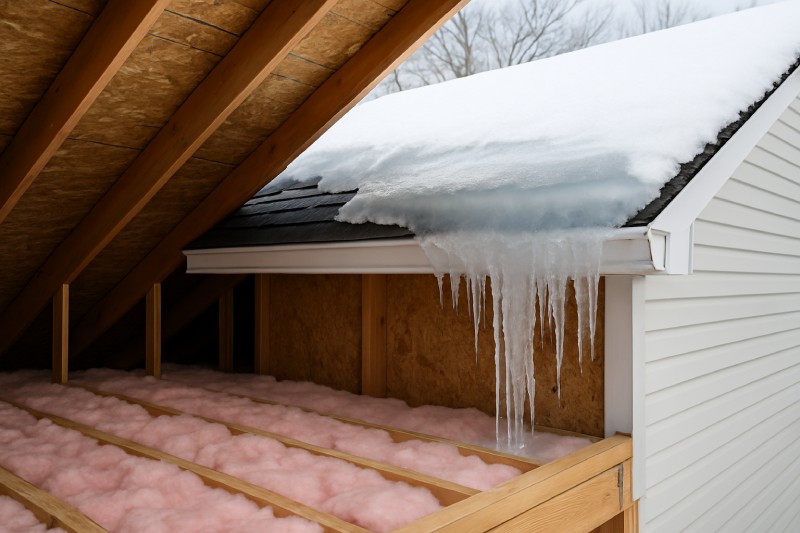
Imagine waking to wet spots on your ceiling after a rare Fresno frost. That used to be the nightmare of Laura, a once‑proud homeowner who thought ice dams were only for snowy states.
She saw her insulation barely kept heat in-not out. Her attic wasn’t sealed. Warm air crept up, melted snow on her roof deck, and water refroze at the eaves, leaking into her living room. Sound familiar? Poor home attic insulation, combined with air leaks and blocked vents, creates the perfect recipe for ice dams.
Many Fresno homeowners aren’t on guard because winter freezes seem mild-but when they come, damage can follow fast. That’s the problem. The agitation? Water stains, mold risk, spoiled insulation, costly repairs, and rising energy costs.
The solution is smarter attic insulation paired with thoughtful air sealing, proper ventilation, and preventive maintenance-specific to our Fresno climate.
Six Attic Mistakes That Trigger Ice Dams in Fresno
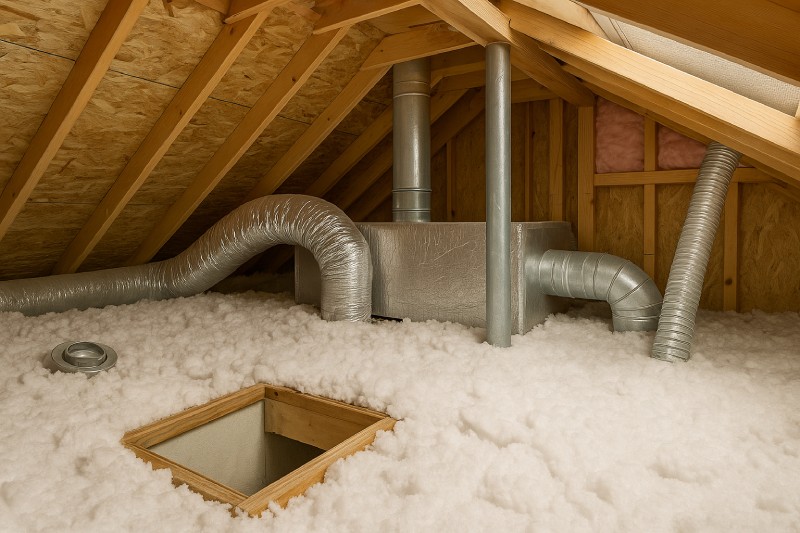
Almost every homeowner can point to at least one attic oversight that invites problems. Here are the six most common:
- Insufficient depth or R‑value. Blown‑in cellulose or fiberglass batts need to meet or exceed R‑30 or R‑49-anything less invites heat loss through the ceiling. Compressing insulation under baffles or packing it into tight spots kills its thermal performance.
- Air leaks from living space. Gaps around recessed light fixtures, attic hatches, duct boots, wiring or plumbing penetrations let moist air rise and melt snow above the deck.
- Blocked soffit vents or missing baffles. Insulation pushed up against soffits chokes airflow. Without a 2‑inch channel, soffit intake can’t feed cooler air across the roof deck.
- Poor attic ventilation overall. Without soffit-to-ridge ventilation, the attic warms unevenly. A “cold roof” is essential to keep eaves below freezing.
- Heat sources in the attic. Uninsulated HVAC ducts or can lights can create hot spots that accelerate snow melt.
- Clogged gutters or downspouts. When meltwater has nowhere to go, it refreezes at the eaves, forming ice dam walls.
How Heat Loss Turns Fresno Freeze‑Thaw Cycles into Ice Dams
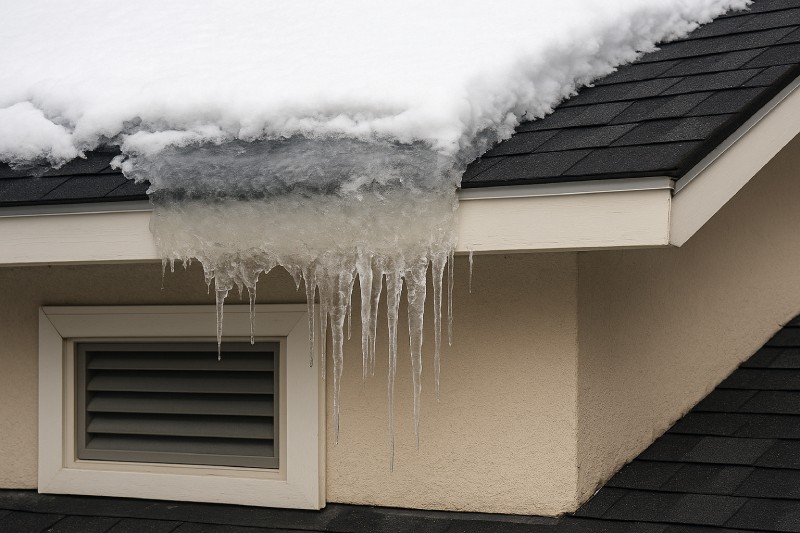
When warm air escapes into the attic, it raises deck temperature above freezing even if outside temps plunge below 22°F. Melting snow slides downward only to hit the colder eaves and refreeze.
That builds ice dams which push meltwater under shingles and into ceiling joints or wall cavities. Refreeze cycles intensify damage as the dam grows.
As Better Homes & Gardens explains: sealing airflow leaks, ventilating the attic, and adding insulation are key to prevention.
Mastering Air Sealing: Stop Warm Air at the Source
Proper air sealing is step one. Warm air around attic hatch doors, light fixtures, wiring paths, duct boots and plumbing vents must be addressed. Use caulk or spray foam to seal leaks; install gasketed attic stairs.
In tight spots consider blower‑door testing or an energy audit to pinpoint problem zones. Air sealing helps insulation work as intended-which is essential, because simply adding insulation without stopping air leaks rarely works.
Choosing and Installing Insulation: Batt, Cellulose, Foam & More
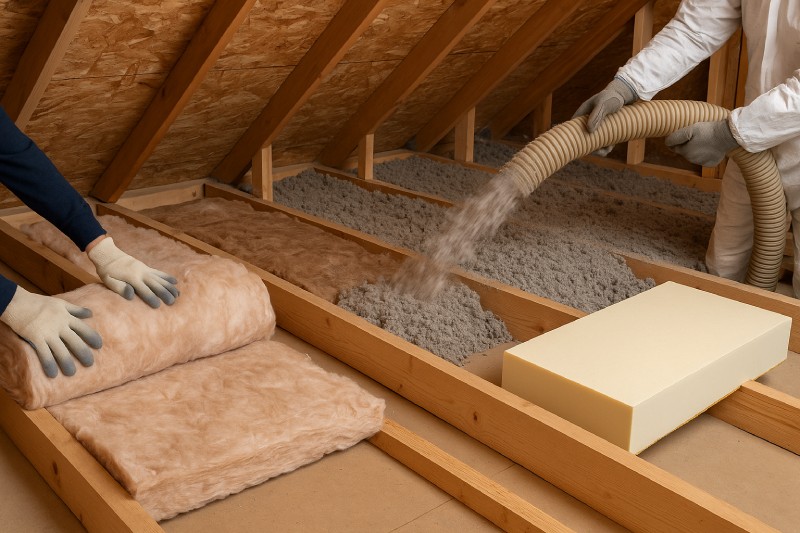
You can choose from several types:
- Fiberglass batts or rolls: cost‑effective and widely available. Need proper installation to avoid gaps and compression.
- Blown‑in insulation (cellulose or fiberglass): fills irregular spaces when installed with a blowing machine-great for attic floors.
- Rigid foam insulation or closed‑cell spray foam: ideal for unvented attic strategies. Foam can be sprayed directly under roof deck, sealing air and creating a conditioned attic.
Aim for at least R‑30 above living space, increasing to R‑49 or R‑60 in ceilings with cold roof regions. Avoid squashing insulation under rafters or ignoring the insulation–deck interface.
Ventilation Matters: Keeping Roof Faculties Cold While Living Spaces Stay Warm
Attic ventilation is more than boxes and vents: soffits must intake cold air; ridge or roof vents must allow warm air to escape.
Baffles keep insulation away from soffit openings. Avoid oversized powered attic fans-they often pull conditioned air instead of venting attic heat. In Fresno’s mild winters, balanced soffit-to-ridge airflow keeps the roof surface near ambient exterior temperature, breaking the melt‑refreeze cycle.
Preventive Gutters & Roof Maintenance Before Winter Hits
A simple maintenance routine can cut risk dramatically:
- Clean gutters and downspouts in fall to ensure smooth meltwater flow.
- Use a roof rake after light frost or ice melt-keep snow off eaves.
- Install ice-and-water shield membrane at eaves and valleys during re-roofing to add protection if melt backs up.
These steps reduce strain on gutters, prevent water pooling and avoid forming dams.
Temporary Measures If an Ice Dam Forms
Sometimes a dam forms despite best efforts. These can help right away:
- Calcium chloride socks placed over the ice dam break through the blockage safely; never use rock salt.
- Heat cables can create channels for runoff-but they use energy and may void warranty or be restricted by insurance.
- Steaming from professionals avoids shingle damage from chipping or manual removal.
Never chip at an ice dam yourself-risking injury or roof damage.
Why a Professional Assessment Pays Off
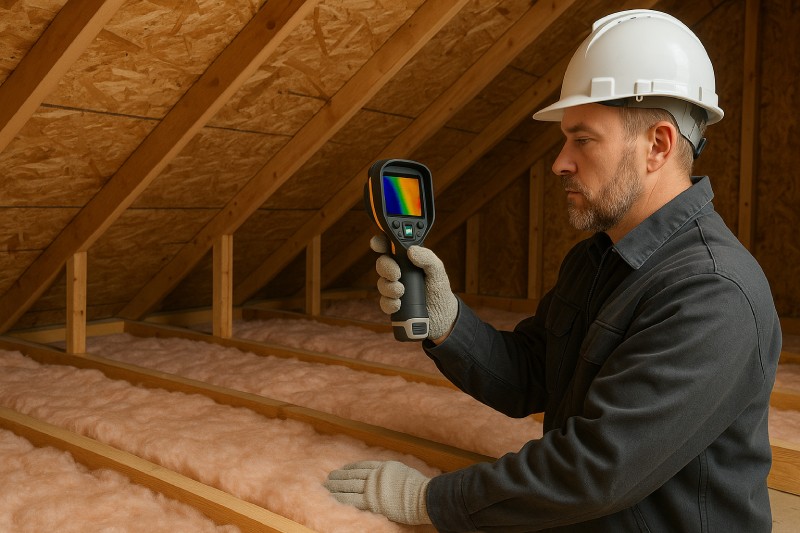
Why a Professional Assessment Pays Off
Investing in a home energy audit, thermal imaging or blower‑door test can expose hidden leaks or missing insulation.
Fresno Roof Repair combines roofing expertise with insulation and ventilation know‑how.
Our licensed team diagnoses attic moisture concerns, recommends attic insulation upgrades, and helps file insurance claims if water damage occurred.
Whether installing fiberglass insulation roll, R-30 faced fiberglass insulation batt or using spray foam, working with a licensed insulation contractor ensures correct installation, compliance with codes like the International Energy Conservation Code, and improved thermal performance.
Long‑Term Strategies for Fresno Homeowners
For a lasting solution:
- Upgrade attic insulation whenever you replace your roof.
- For HVAC equipment in the attic, consider an unvented conditioned attic using spray foam.
- Balance ventilation with insulation upgrades every few years.
- Schedule seasonal checklist tasks before winter freeze events.
Checklist Summary: Your Action Plan to Avoid Ice Dams
| Action | Purpose |
| Seal attic hatch, fixtures, duct boots | Block warm air from entering attic |
| Add or upgrade insulation to R‑30+ | Reduce heat transfer through ceiling |
| Install soffit baffles and maintain vents | Promote airflow to cool roof deck |
| Keep gutters clear and membrane at eaves | Ensure meltwater drains away |
| Get a professional energy audit | Reveal hidden leakage and thermal weak spots |
Frequently Asked Questions
What level of home attic insulation helps avoid ice dams?
Aim for at least R‑30 in your attic floor. Combining fiberglass or cellulose insulation with proper air sealing is critical to stop warm air traveling into attic spaces.
Can spray foam insulation stop ice dams entirely?
Yes. Closed‑cell spray foam insulation applied under the roof deck creates an air barrier and conditional attic, which prevents snow melt from forming ice dams, especially when installed by a professional insulation contractor.
Will improving attic insulation lower my energy bills in Fresno?
Absolutely. A well‑sealed attic with modern insulation can cut energy costs up to 25–50%, improving comfort and indoor temperature consistency year‑round.
Conclusion
Combining targeted air sealing, enhancing attic insulation, maintaining ventilation, and seasonal gutters upkeep gives Fresno homeowners a reliable defense against ice dams.
Acting early-before any freeze event-saves water damage, mold risk, and costly repairs.
Fresno Roof Repair is licensed, bonded and insured to inspect, upgrade and protect your attic and roof.
Ready to schedule your attic insulation inspection or roof upgrade before winter?
Call today to get started.

Alexander Johnson is an experienced roofing professional with more than 25 years in the industry and serves as CEO of Fresno Roof Repair. His expertise combines traditional craftsmanship with modern technology, with a focus on durable roofing solutions designed for Fresno’s diverse climate.