
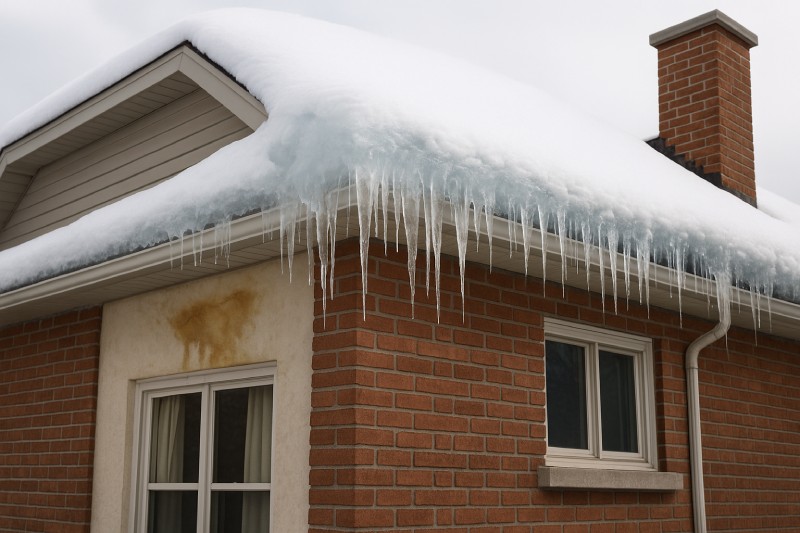
A single cold snap can turn relaxed winter mornings into frantic repair calls when an unsuspected ice dam starts leaking through ceiling drywall.
That’s exactly what happened to the Garcias last January. They noticed long icicles streaming from their gutters, then patches of damp on their interior ceilings. Panic set in.
Yet the real shock came when we found how easy it was to prevent: tightening attic leakage, boosting insulation, and adding proper attic ventilation kept their roof surface cold enough to stop ice dam formation in its tracks.
Here’s how you can do the same, and avoid an expensive wake‑up call..
Why Fresno Roofs Are Vulnerable to Ice Dams
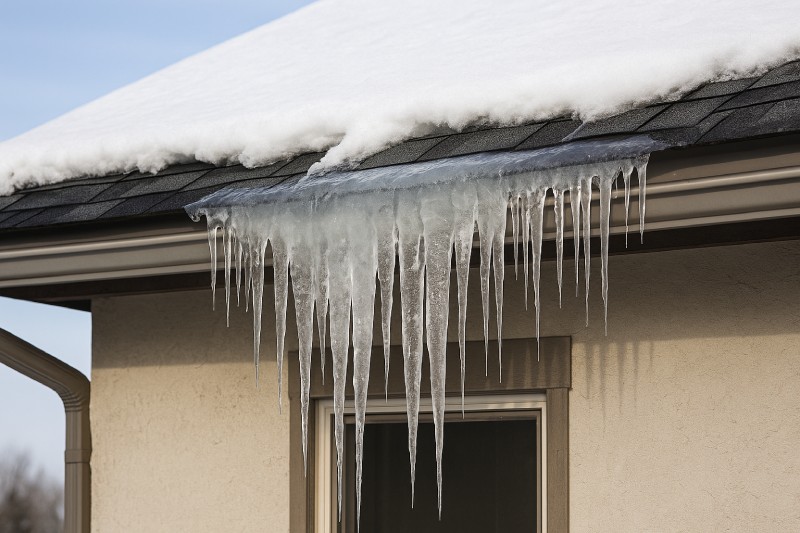
Fresno winters might not blanket your roof with feet of snow, but freeze-thaw cycles do happen, and that thin layer of roof snow acts as insulation. If your attic insulation is weak and warm air escapes, that slight roof warming can melt snow at the ridge.
Meltwater then flows downward, encountering cold eaves where it refreezes. Over time, a ridge of ice forms, a solid ice dam blocking water from draining off your roof surface
Left unchecked, that pooling water works its way under your fiberglass shingles, soaking in, staining drywall, warping ceilings, and threatening your roof structure. Preventing ice dams isn’t just about aesthetics, it’s about protecting your interior ceilings and avoiding roof failure.
Six Early Warnings of Ice Dam Risk
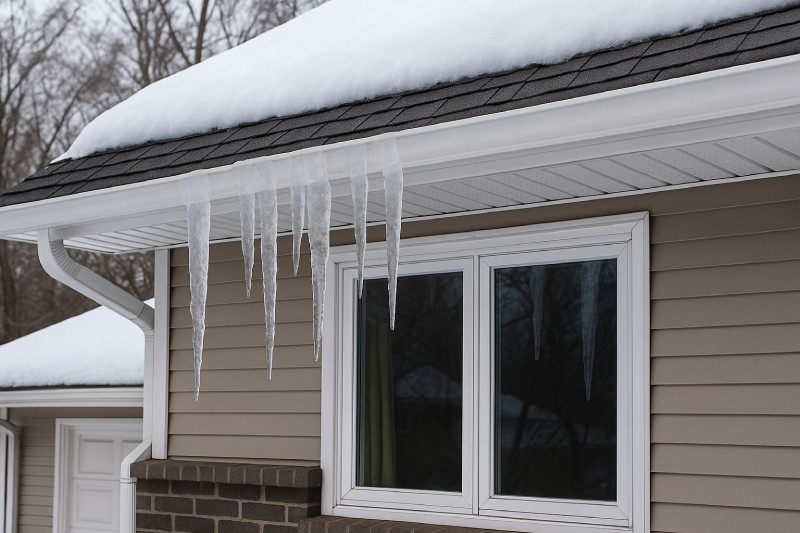
Here are six warning signs that signal danger early-before the dam grows and causes damage:
- Icicles trailing from eaves that look more like curtains than decoration.2.
- Stains or dark spots on ceilings after nighttime frosts, room ceilings absorbing water.3.
- Gutters clogged with ice, failing to move water as they should.4.
- Warm roof areas (visible with an infrared camera) indicating heat loss.5.
- Gaps in attic insulation, especially near attic hatch or recessed lighting.6
- Air leaks around attic space, including ductwork, chimneys, and vent penetrations
Spotting one of these? That’s a cue to act before snow, or heat loss, makes things worse.
Seven Pre‑Winter Inspection Tasks

To stop ice dams before they start, follow this inspection checklist:
- Examine flashing around chimneys, vents, and skylights-any cracks can let water in.
- Inspect roof shingles and underlayment-curling shingles or lifts can allow water under the barrier.
- Measure attic insulation-aim for R-38 to R‑49 on an attic floor, or use spray foam or rock wool in difficult spaces
- Ensure balanced attic ventilation-with working ridge vents and clear soffit vents.
- Seal common attic bypasses: attic hatch, plumbing stacks, ducts, recessed lights, and chimney chases using caulk and fire‑stop sealant.
- Clean gutters and check down spouts, ensuring water exits at least 6 feet from the foundation.
- Verify an ice‑and‑water shield membrane is installed around eaves and dormer walls, this acts as protection if melting water backs up
How Proper Attic Insulation Stops Ice Dams
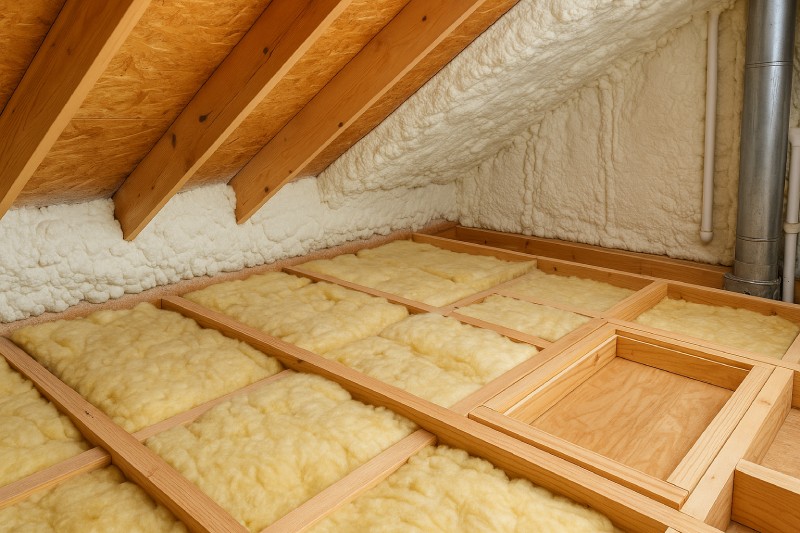
If your attic insulation feels mushy or thin, this is where heat is escaping, and where you can stop it:
- Go for a minimum of R‑38. In Fresno homes with vaulted ceilings, pushing to R‑49 gives even less attic air temperature.
- Using a hybrid of closed‑cell spray foam and fiberglass batts to both seal and insulate, this double‑duty system stops heat and air escape .
- Treat bypasses as air leaks, not just cold spots. Attic hatch, recessed lights, plumbing chases, they all need sealing AND insulation.
- Fill uneven areas, especially around the attic hatch, ducts, and plumbing, heat targets these weaknesses first.
When your entire attic floor is tight and sealed, less heat reaches your roof surface and your attic stays near outdoor air temperature. That’s the best defense.
Ventilation Tactics to Keep Your Roof Cold
Even a well sealed attic must have airflow to carry away residual heat and moisture:
- Provide intake vents (soffit vents) and exhaust vents (ridge vents)-balanced so fresh air flows upward.
- Install baffles between rafters to prevent insulation from blocking airflow near eaves.
- Maintain the guideline of 1 square foot of vent area per 300 square feet of attic floor .
- Add gable vents or powered attic fans only after air sealing and intake/exhaust balance.
- Keep vents free of debris, spray foam, or insulation-no blockages at soffit or ridge.
That steady cool air bathes the underside of shingles, keeping the roof deck cold enough to avoid melting snow.
Waterproof Shields & Drip Edge Armor
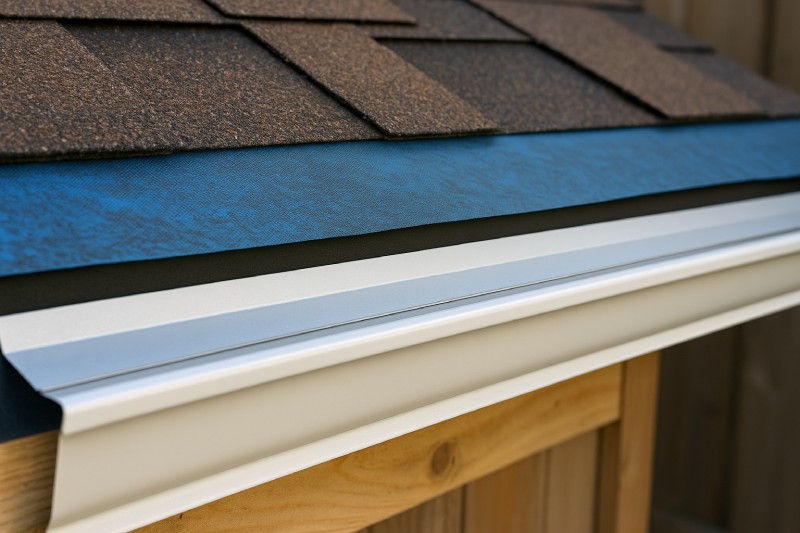
These measures provide backup protection when ice and meltwater rise:
- A double layer of rubberized ice and water membrane across the first 6 feet of roof edge offers a waterproof barrier.
- Metal drip edge or aluminum extrusion along eaves provides a smooth pathway for water, even when ice forms.
- Consider adding a narrow strip of Ice Shield or polymer-modified membrane under the shingles along valleys and roof-to-wall joints.
- On steeper roofs or high-sun‑exposure slopes, this backing supplies insurance-grade resilience.
These give your roof multiple lines of defense before water damages the decking or interior.
5 Active Snow and Ice Removal Tactics
When snow does fall, respond fast to protect your roof edge:
- Use a roof rake to clear 3-4 feet of snow away from eaves, right after a storm .
- Keep gutters and downspouts clear of debris, water needs a clear path.
- Hang calcium-chloride melt socks in gutters to maintain drainage channels.
- Install self -regulating rooftop heating cables in zig-zag across eaves and valleys.
- If ice dams are more than a few inches, call a licensed, insured roofer, don’t chip or use rock salt.
These tactics both defend against and respond to conditions before permanent damage occurs.
How to Handle Existing Ice Dams Safely
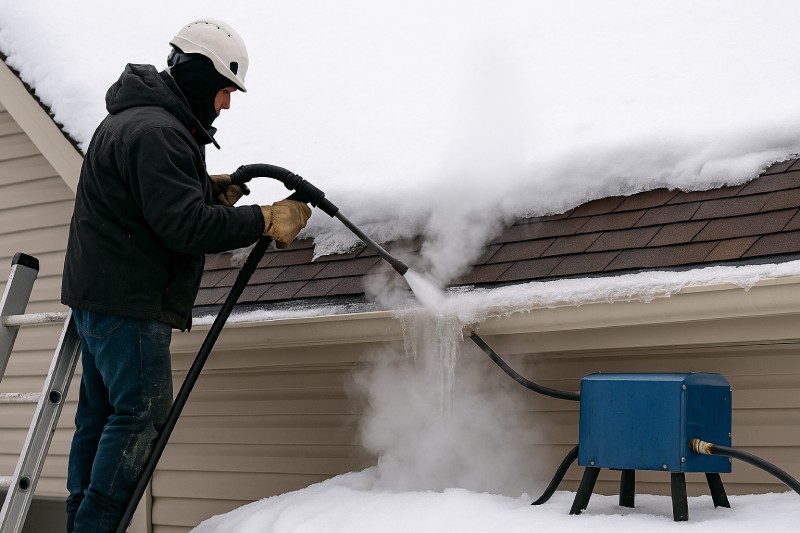
If a dam is already in place, take these safer steps:
- Never chip with tools, nor pour rock salt, shingles will break or melt, causing leaks.
- .Professional steamers and controlled calcium chloride melts are far safer.3.
- Licensed roofers use hot-water-free steam systems to gently remove ice.4.
- This method avoids damage to roofing material and preserves roofing material warranties.5.
- Always hire bonded and insured technicians like Fresno Roof Repair. We use trained crews, correct tools, and post-removal inspections to confirm no damage.
Conclusion
Ice dams don’t just look ugly; they threaten your roof, drywall, insulation, and peace of mind. But with simple, targeted steps, insulation, air sealing, ventilation, and preventive roof care, you can avoid leaks, mold, and roof structure issues.
At Fresno Roof Repair, we specialize in all these areas: attic insulation, ventilation upgrades, roof inspections, heat‑cable installation, and insurance‑claim support, all backed by licensed, bonded, and insured expertise.
Let’s protect your Fresno home, schedule a winter‑ready roof inspection today and keep ice dams from ever showing up again.

Alexander Johnson is an experienced roofing professional with more than 25 years in the industry and serves as CEO of Fresno Roof Repair. His expertise combines traditional craftsmanship with modern technology, with a focus on durable roofing solutions designed for Fresno’s diverse climate.