
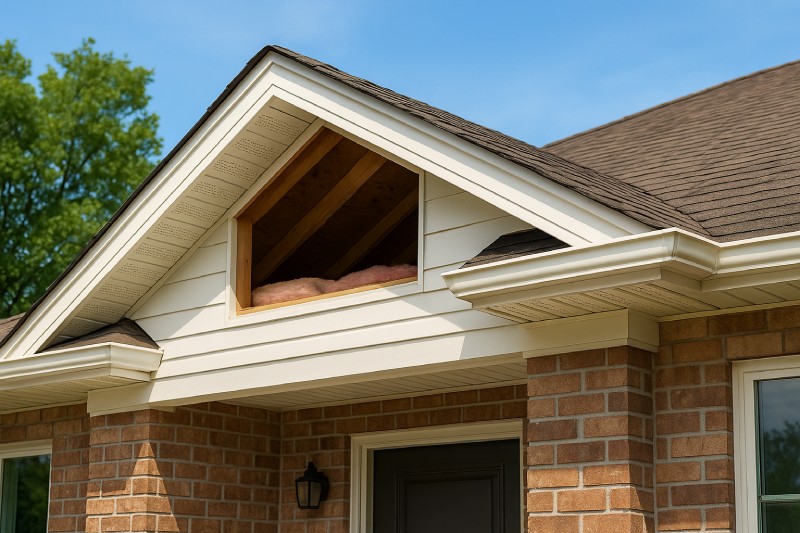
The attic might not be the first thing homeowners think about when they picture roof problems, but ignoring it can cost thousands in repairs.
Many Fresno homes struggle with poor airflow, which traps hot air and moisture right under the roof’s surface. That trapped heat pushes air conditioners into overdrive, while excess moisture fuels mold and weakens roof decking.
If left unchecked, poor attic ventilation can shorten the life of your shingles and make your home harder to keep comfortable. Fresno’s long, hot summers add extra stress, and even mild winters can create condensation problems in closed-up attics.
The good news is, soffit ventilation offers a practical, affordable solution. By improving airflow at the roof’s eaves, soffit vents work with your entire ventilation system to keep air moving, protect your roof, and reduce cooling bills.
Fresno Roof Repair has helped hundreds of homeowners address attic ventilation, and we’ll share the proven tips that work best in the Central Valley.
What Soffit Ventilation Does for Your Home
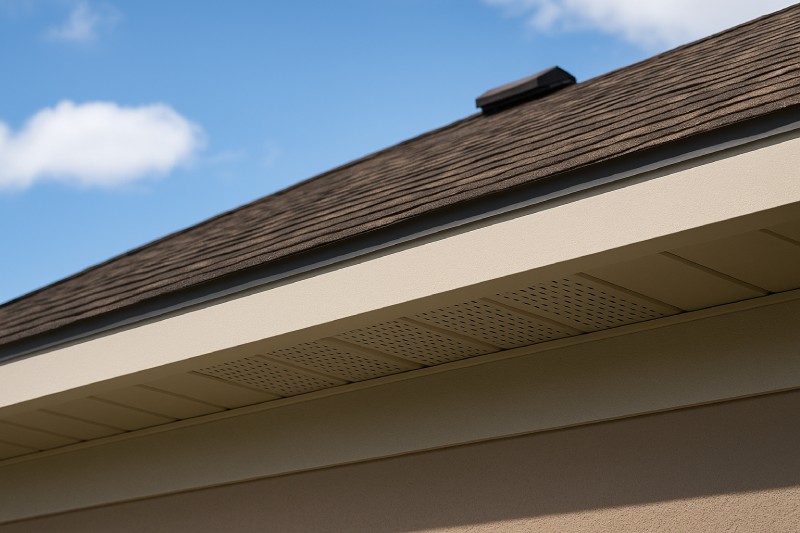
Soffit vents are small openings built into the underside of your roof’s eaves. They act as the intake portion of a balanced ventilation system, pulling fresh outside air into the attic. This air then rises and escapes through ridge vents, gable vents, or roof fans, creating a continuous circulation loop.
Without proper soffit ventilation, the attic becomes a dead zone for air movement. Stagnant heat and moisture accumulate, leading to higher attic temperatures, insulation damage, and even structural wood rot. Over time, this can undermine the roof deck and make the entire system more vulnerable.
When soffit vents are paired with exhaust vents, you create a continuous roof ventilation system. The U.S. Department of Energy recommends this type of passive ventilation for residential roofs, since it balances air intake and exhaust while requiring no power to function.
Signs Your Attic Needs Better Ventilation
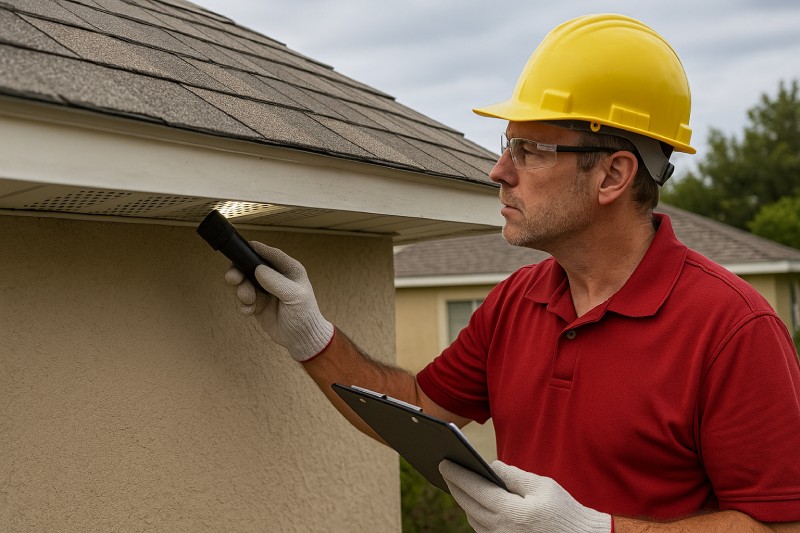
Fresno homeowners often discover ventilation issues indirectly-when another problem shows up. Recognizing the signs early can save you from larger repairs.
- High energy bills: If your AC is working harder than ever during Fresno’s 100°F summer afternoons, poor attic airflow may be trapping heat.
- Roof aging prematurely: Shingles curling, cracking, or losing granules faster than expected often trace back to attic heat and moisture.
- Mold or damp insulation: Dark stains or a musty odor are clues that air circulation is failing and condensation is building up.
- Ice dams: Rare in Fresno city limits but possible in foothill areas. Warm attics cause snow to melt and refreeze at the roof edge, damaging gutters and shingles.
A quick inspection under the eaves can reveal if soffit vents are painted over, clogged, or missing altogether.
Tip 1: Choose the Right Type of Soffit Vent
Not all soffit vents are created equal. The style you choose should fit your home’s construction, ventilation requirements, and Fresno’s climate.
Continuous strip vents vs. individual panels
- Continuous strip vents run along the full length of the eave, offering the best intake for larger rooflines.
- Individual vent panels (like circular soffit vents or mini louvers) are installed in intervals. They can work for smaller homes but may not provide enough net free area for larger attics.
Material options
- Aluminum soffit: Long-lasting, resists rust, and comes in vented soffit designs.
- Vinyl soffit: Affordable, available in perforated soffit material, but can warp in extreme heat.
- Fiber cement soffit: Strong and fire resistant, though heavier and more expensive.
- Wood soffit: Attractive but prone to rot if not sealed and maintained.
Matching soffit panels to your home’s roof style matters. Tile-roofed homes in Northeast Fresno often benefit from durable aluminum under eave soffit vents, while stucco homes may use resin circular mini wall louvers for a clean finish.
Tip 2: Ensure Proper Ventilation Balance
Adding soffit vents is only effective if airflow is balanced with exhaust vents at the roof peak. Too much intake or too much exhaust disrupts circulation.
The 1/150 and 1/300 rules
- U.S. FHA 1/150 guideline: 1 square foot of ventilation for every 150 square feet of attic floor space.
- 1/300 rule: If half of the vent area is in the soffit and half in the ridge, you can reduce the requirement to 1 square foot for every 300 square feet.
Fresno building codes
Local building codes require that attic ventilation meet these ratios, and inspectors often check soffit vent installations for compliance.
Intake vs. exhaust
Intake should equal or slightly exceed exhaust to prevent negative pressure in the attic. A ventilation calculator can help homeowners determine the right number of lineal feet of vented soffit or panels needed for their Square Footage.
Tip 3: Keep Vents Clear of Blockages
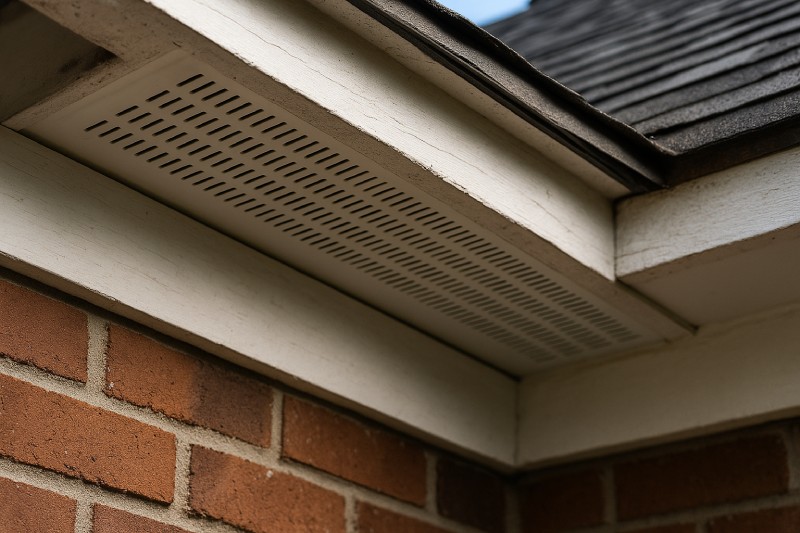
Even properly installed soffit vents can fail if blocked. Fresno homeowners often see paint, insulation, or debris clogging intake areas.
- Painted-over vents: A common mistake during exterior repainting. Even a thin layer of paint can choke airflow.
- Insulation clogs: Fiberglass insulation often creeps into soffit openings. Installing an insulation baffle ensures a clear air channel.
- Dust and debris: Seasonal cleanings help prevent dust buildup, spider webs, or leaves from reducing vent performance.
Homeowners should inspect soffit vents every spring and fall. Clearing blockages is simple maintenance that supports attic airflow year-round.
Tip 4: Combine Soffit Vents with Ridge Vents
Soffit vents alone won’t move air unless paired with a proper exhaust system. Ridge vents are the most effective partner for soffit intake.
- Ridge vents run along the roof peak, allowing hot air to escape naturally.
- When paired with soffit vents, you create a continuous roof ventilation system where cool air enters low and exits high.
- Fresno tile roofs often benefit from low-profile ridge vents designed for clay or concrete.
According to the National Roofing Contractors Association, a balanced ventilation system using soffit and ridge vents is the most reliable way to reduce attic heat and extend roof life.
Tip 5: Upgrade Old or Damaged Vents
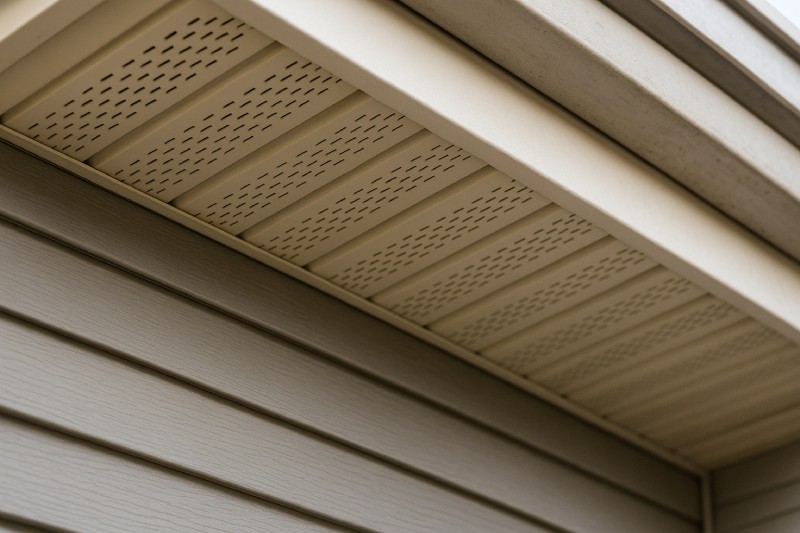
Outdated or damaged soffit vents reduce effectiveness. Fresno’s heat, combined with occasional rain, can crack vinyl panels or rust unprotected metal.
- Upgrade to perforated soffit material: Provides higher airflow while keeping pests out.
- Replace warped or cracked panels: Vinyl soffit that sags should be replaced with Weather Resistant Vinyl or aluminum.
- Energy-efficient options: Some modern soffit panels are designed to work with insulation systems like Owens Corning’s Total Protection Roofing System.
Routine replacement keeps your home aligned with residential building codes and ensures long-term performance.
Tip 6: Add Pest and Moisture Protection
Unprotected soffit vents are an open invitation for pests. Fresno homeowners often deal with wasps, small birds, or even rodents nesting in unprotected soffits.
- Screen inserts: Keep out pests without blocking airflow.
- Moisture-resistant materials: Choose soffit products that resist swelling or rot. Fiber cement and aluminum options work well.
- Seal gaps with weatherproof caulk: Prevents water intrusion and wood rot around soffit edges.
This small upgrade prevents expensive attic repairs caused by animal damage or moisture buildup.
Tip 7: Work with a Licensed Roofing Professional in Fresno
While soffit vents might look like a DIY project, working on ladders at the roof’s eaves poses safety risks. Beyond that, airflow design requires expertise.
- Professional assessment: A licensed roofer can measure your attic’s net free area and recommend the right ventilation product type.
- Building code compliance: Fresno inspectors look for vented soffit installation that matches local building codes.
- Warranty protection: Brands like GAF Roofing or Ply Gem often require professional installation for warranties to remain valid.
At Fresno Roof Repair, our team installs soffit vents that meet ventilation requirements, prevent ice dam formation in foothills, and extend roof life across Central Valley neighborhoods.
Energy and Cost Benefits for Fresno Homeowners
Adding soffit ventilation pays off in multiple ways:
- Lower energy bills: Attics can exceed 140°F in Fresno summers. With proper airflow, attic temps drop significantly, reducing AC strain.
- Roof longevity: Balanced air circulation prevents shingles from baking and decking from warping.
- Indoor comfort: Regulated attic temperatures stabilize the home’s overall climate.
The table below shows how proper ventilation translates into benefits:
| Benefit | Without Soffit Vents | With Balanced Ventilation |
| Attic Temperature | 120–150°F | 90–100°F |
| Roof Shingle Life | 10–15 years | 20–30 years |
| Annual Cooling Costs | High | Lower by up to 20% |
| Risk of Mold/Moisture | High | Significantly Reduced |
FAQs on Soffit Ventilation in Fresno
How often should soffit vents be inspected?
Twice a year is best. Spring and fall inspections catch blockages, paint issues, or pest damage before they harm airflow.
Can soffit vents reduce attic moisture in winter?
Yes. Even in Fresno’s mild winters, soffit vents prevent condensation that leads to mold or wood rot.
Do I need soffit vents if I already have gable vents?
Yes. Gable vents alone do not create the same balanced airflow. Pairing soffit vents with ridge or roof exhaust vents provides the most consistent attic ventilation.
Conclusion: A Small Upgrade with Big Results
Soffit ventilation might not be the most visible part of your roof, but it plays a major role in protecting your home. From reducing excess heat to stopping moisture buildup, soffit vents create the airflow your attic needs to keep everything running smoothly.
For Fresno homeowners, investing in soffit vent installation or upgrades is a smart move. The benefits show up in lower energy bills, a stronger roof, and a healthier attic environment.
If you’re noticing signs of poor ventilation or want a professional inspection, reach out to Fresno Roof Repair.
Our licensed, bonded, and insured team can install roof soffit vents, inspect airflow, and make sure your roof is ready to handle Fresno’s climate for decades to come. Call us!

Alexander Johnson is an experienced roofing professional with more than 25 years in the industry and serves as CEO of Fresno Roof Repair. His expertise combines traditional craftsmanship with modern technology, with a focus on durable roofing solutions designed for Fresno’s diverse climate.