
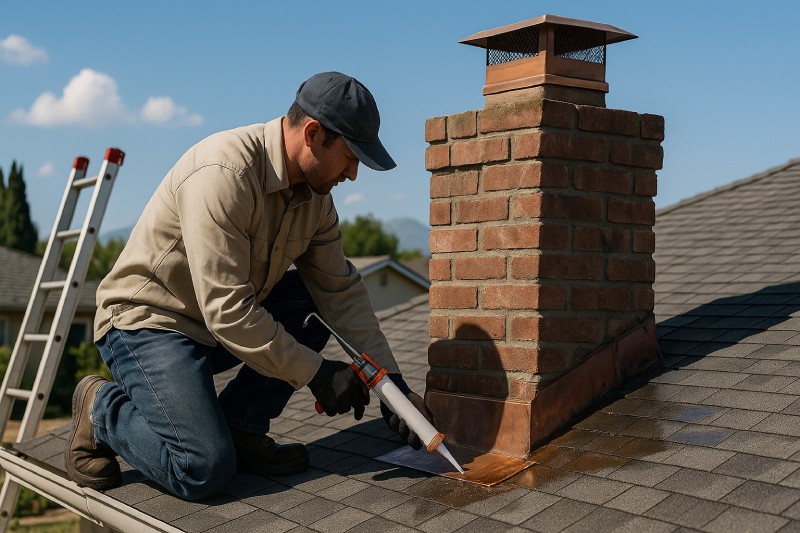
Every Fresno homeowner dreads spotting a water stain creeping along the ceiling near the fireplace. One Fresno family discovered a chilly drip in the attic just days after a heavy spring shower, which started as a minor nuisance and quickly became a mold threat.
If you’ve spotted water stains, damp odors, or puddles inside your chimney, now’s the time to act.
1. Faulty Roof-Chimney Flashing
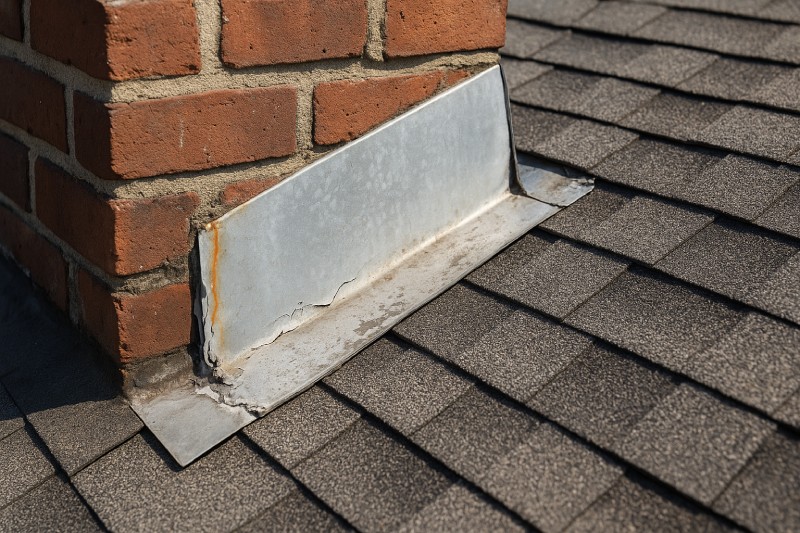
Flashing bridges the gap between the chimney and roofing to stop leaks. In Fresno’s sun and occasional downpours, metal flashing can warp, sealant can crack, or detach over time.
What to look for: Raised edges, rust streaks on the chimney face, gaps, or sealant cracking.
DIY tip: Clean the area, apply a high-quality elastomeric sealing compound around the base, and tighten fasteners. But if metal is bent or sealant repeatedly fails, it’s time for a replacement by a licensed roofer.
Why pros matter: They’ll install both step and counter flashing properly—crucial if your home settles or your shingles shift.
2. Deteriorated Chimney Crown
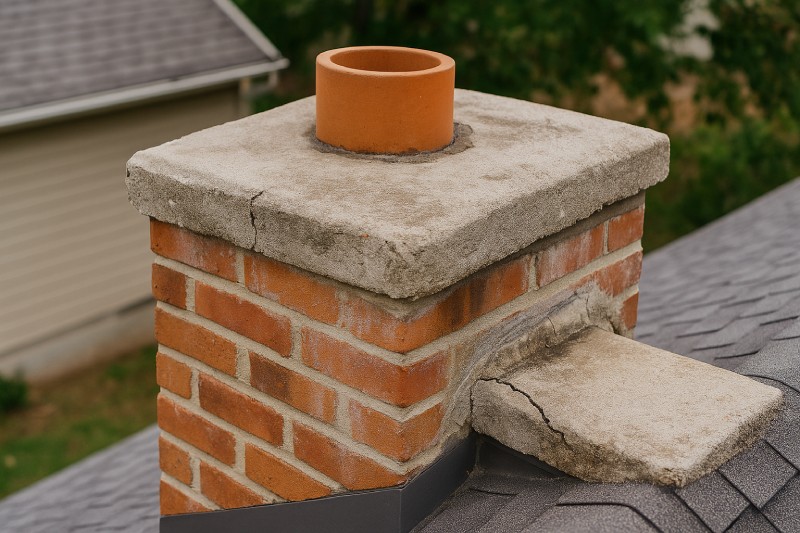
The chimney crown is the concrete slab capping the masonry to direct water away. Once cracked, it becomes a direct channel for water infiltration.
Signs: Cracking, chipping, or crumbled edges; water stains on the crown surface.
Quick repair: Use an elastomeric resin blend, flexible enough to adapt to temperature changes.
When to rebuild: If chunks are missing or cracks are deep, rebuilding the crown with proper slope and drip edge is safest.
3. Missing or Damaged Chimney Cap
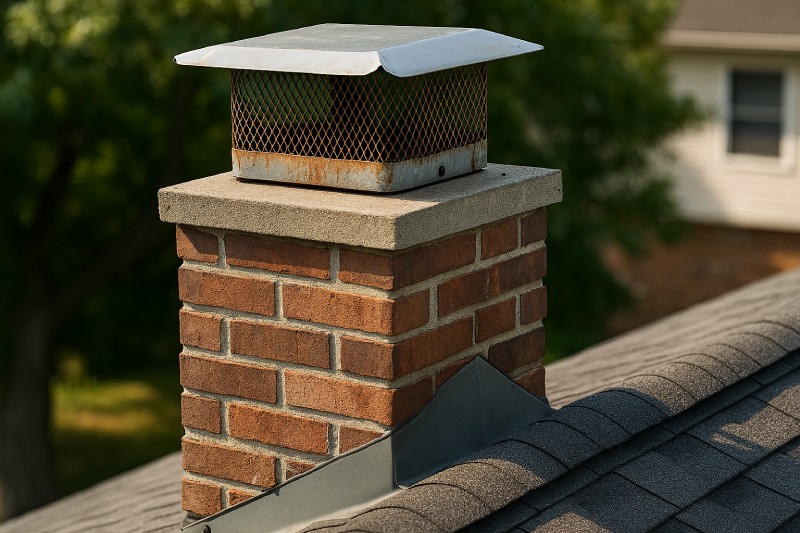
A chimney cap (or chase cover) is your first line of defense against rain, debris, and critters. Without it, or with one that’s rusted or cracked—you’re asking for trouble.
Check for: No cap, rusted mesh, loose fittings, or missing seals.
Fix options:
- Replace with a stainless-steel or copper cap with a built-in spark arrestor.
- If damage is minor, tighten or reseal the screws.
Installing a quality chimney cap also deters birds and rodents from nesting above your chimney liner or damper.
4. Porous or Cracked Masonry and Mortar Joints
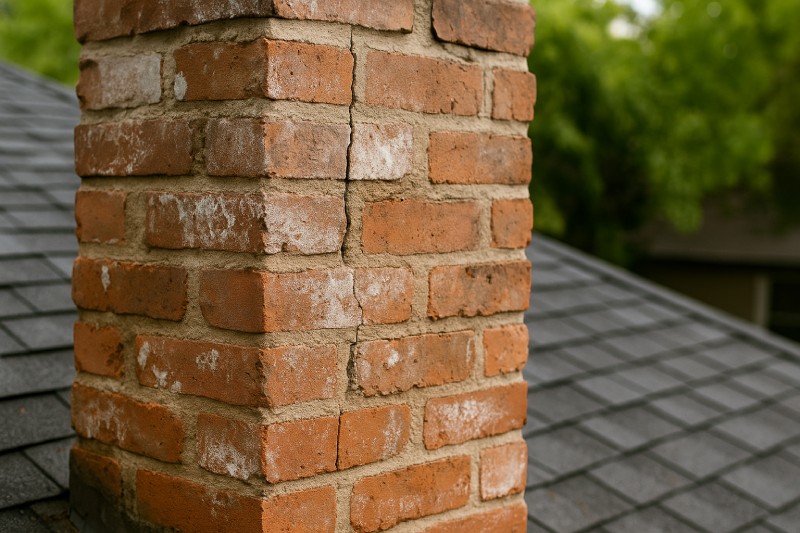
Bricks and mortar aren’t waterproof by default. With Fresno’s temperature swings, porous bricks allow water intrusion, and if water freezes, cracks expand.
Watch for: White powdery efflorescence, crumbling mortar, cracked bricks, and damp patches.
Repairs:
- Tuckpoint mortar joints.
- Replace damaged bricks.
- After repairs, apply a breathable water-repellent sealant to masonry surfaces.
A professional chimney inspection ensures repairs are done to withstand local weather.
5. No Roof Cricket or Bad Drainage
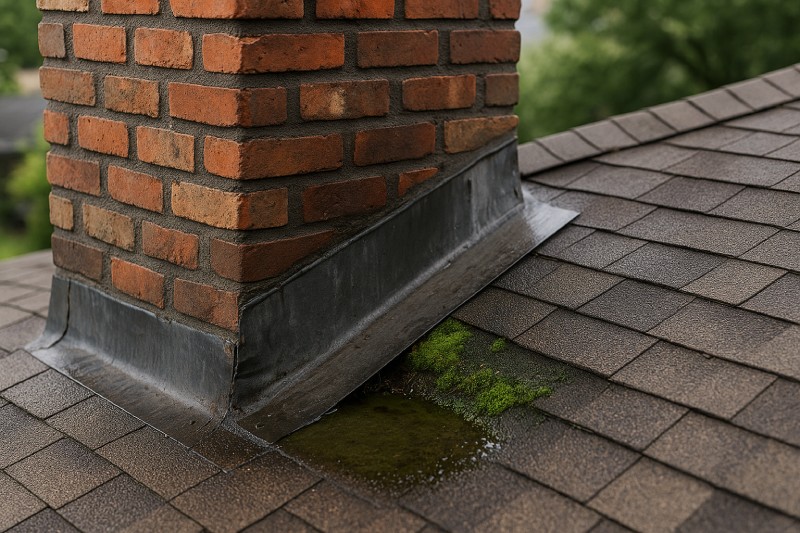
A chimney cricket is a peaked saddle placed behind the chimney to divert water. Without one, or with a poorly installed model, water pools and seeps down flashing and masonry.
Spot issues: Flat area behind chimney, pooled water, moss growth.
Fix: Install or rebuild a cricket integrated with your roofing shingles and flashing. A roofing contractor should handle this during a re-roof or retrofit.
6. Condensation from High-Efficiency Appliances
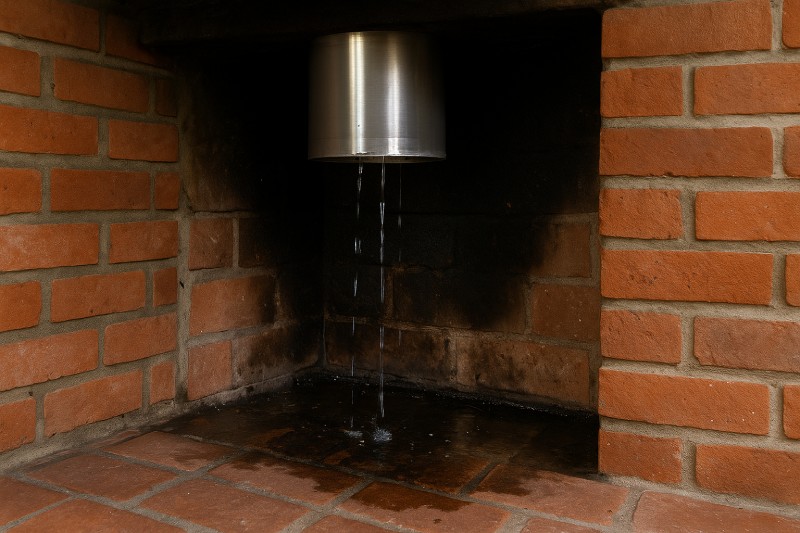
Modern high-efficiency furnaces and fireplaces generate less draft, letting water vapor condense inside the chimney flue, especially if unlined.
Symptoms: Leak appears even without rain; damp flue or firebox.
Solution:
- Add a proper chimney liner sized to the appliance.
- Insulate the flue to maintain draft.
- Hire a chimney sweep trained in flue sizing and ventilation.
7. Rusted Metal Components
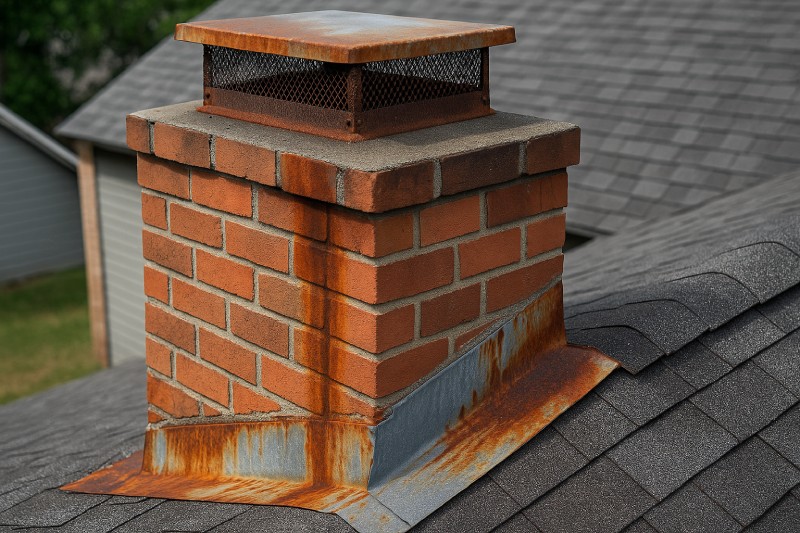
Though bricks don’t rust, metal chimney parts, such as flashings, cap, crown reinforcement, can. These parts corrode in Fresno’s sun and occasional moisture.
Identify rust: Streaking down the chimney, degraded mesh, flaky surfaces.
Repair steps:
- Inspect flashing, cap, and crown rebar.
- Replace rusted parts with stainless steel materials.
- Clean and treat any rust stains on the masonry.
Experts at The Spruce suggest stainless-steel replacements and waterproof sealers to prevent recurring rust damage
Step‑by‑Step Repair Checklist
Start with a full walk‑around inspection after a rainstorm. Here’s an easy-to-follow table:
| Repair Stage | What to Inspect | DIY or Pro-Handled? | Tools & Materials |
| 1. Flashing | Gaps, rust, seal cracks | Pro for install; DIY reseal | Elastomeric sealant, fasteners |
| 2. Chimney crown | Cracks, pooling, spalling | DIY patch or pro rebuild | Crown sealant, concrete mix |
| 3. Chimney cap | Missing/rusty cap | Can DIY replace | Stainless/copper cap |
| 4. Masonry | Cracked bricks, mortar loss | Pro for tuckpointing | Mortar mix, replacement bricks |
| 5. Cricket | Water is pooling behind the chimney | Pro only | Shingles, flashing metal |
| 6. Liner/Insulation | Condensation, draft issues | Pro chimney technician | Flue liner, insulation wrap |
| 7. Rust components | Rust streaks, metal failure | DIY clean or pro replace | Stainless replacements, paint |
Tackle maintenance top-to-bottom: flashing, crown, cap, then masonry for best results.
Preventive Maintenance in Fresno’s Climate
A yearly inspection helps you catch small issues before they escalate. Best times: spring and after winter. Include:
- Chimney sweep and chimney inspection.
- Check seals on cap, crown, and flashings.
- Reapply water sealer every 3–5 years.
- Review the attic for wet spots, mold growth.
- Inspect for structural damage in brick or mortar.
DIY vs When to Call Fresno Roof Repair
When you can DIY:
- Replacing a chimney cap.
- Applying sealant to minor crown cracks.
- Cleaning mildew and rust stains.
When to call us:
- Flashing replacement or cricket installation.
- Full chimney crown rebuilding or spalling.
- Crack repairs across masonry or structural issues.
- Chimney lining and insulation upgrades.
- Insurance-related water damage or insurance policy assessment.
Fresno Roof Repair brings licensed, bonded, and insured service to every job. We help with insurance claims and deliver durable solutions backed by local knowledge and craftsmanship.
Frequently Asked Questions
What causes a chimney leak after rain?
Leaks usually come from failed flashing, cracked crown, missing cap, or porous masonry. A quick inspection during or after rain can reveal entry points.
How often should I schedule a chimney inspection in Fresno?
At least once a year, especially after winter rains. Regular checkups spot issues before water damage leads to mold or structural damage.
Can I fix a chimney leak myself with sealant?
Small crown or masonry cracks can be sealed DIY, but metal flashing or structural problems need a professional touch.
What’s the difference between a chimney cap and a crown?
A chimney cap covers the flue opening, blocking rain and debris. The crown is a concrete slab that seals the top of the chimney stack around the flue, both critical for waterproofing.
Will my insurance policy cover chimney leak repairs in Fresno?
Typically, sudden damage (like storm-related) is covered. Long-term neglect isn’t. Let Fresno Roof Repair help document and navigate your claim.
Final Words
A leaky chimney isn’t just an annoyance; it’s a gateway to water damage, mold growth, and even carbon monoxide risks when drafting fails. By addressing flashing, crown, cap, masonry, cricket, condensation, and rust systematically, Fresno homeowners can avoid costly repairs.
For reliable, insured chimney repair services, reach out to Fresno Roof Repair. From leak diagnosis to full waterproofing and insurance assistance, we’ve got your chimney and your peace of mind covered.

Alexander Johnson is a seasoned roofing professional with over 25 years in the industry and CEO at Fresno Roof Repair. His expertise blends traditional craftsmanship with cutting-edge technology, focusing on resilient roofing solutions tailored to Fresno’s diverse climate. As a leader at Fresno Roof Repair, Alexander emphasizes open communication, teamwork, and continual education, ensuring every client receives exceptional service. Beyond his role, Alexander is deeply committed to the Fresno community, supporting local initiatives. His dedication, technical proficiency, and customer-centric approach make him an invaluable asset to Fresno Roof Repair, embodying the company’s commitment to excellence and quality roofing solutions.