
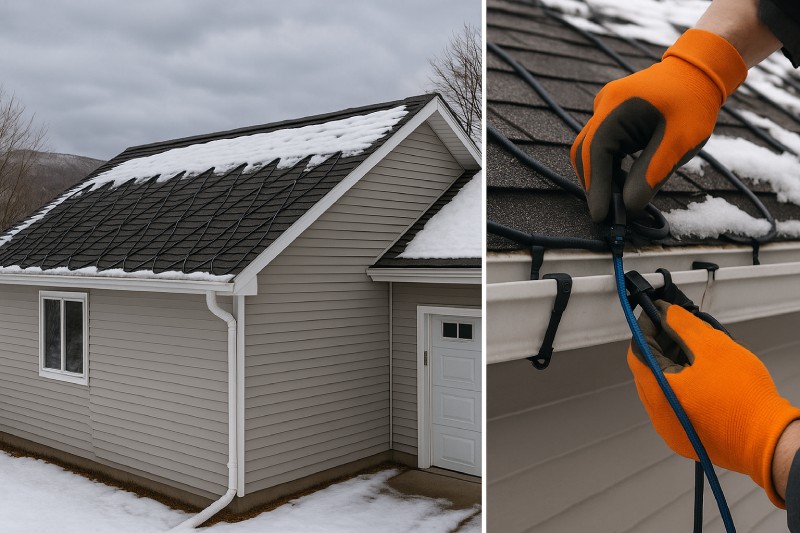
A few years back, a Fresno homeowner called us in mid-February, panic in her voice.
She’d woken to water trickling into her attic after a rare frost overnight, and her gutters were frozen solid. Ice dams.
That drip, that creeping water, felt like it would never stop. Facing potential damage, she needed a fix fast.
With careful attic insulation and proper roof ventilation, those heat cables were the final touch-a smart, effective shield. That’s how she restored peace of mind, and you can too with ice dam heat cables.
1. Spot Fresno’s Ice Dam Risk: Why Even Mild Winter Snags Count
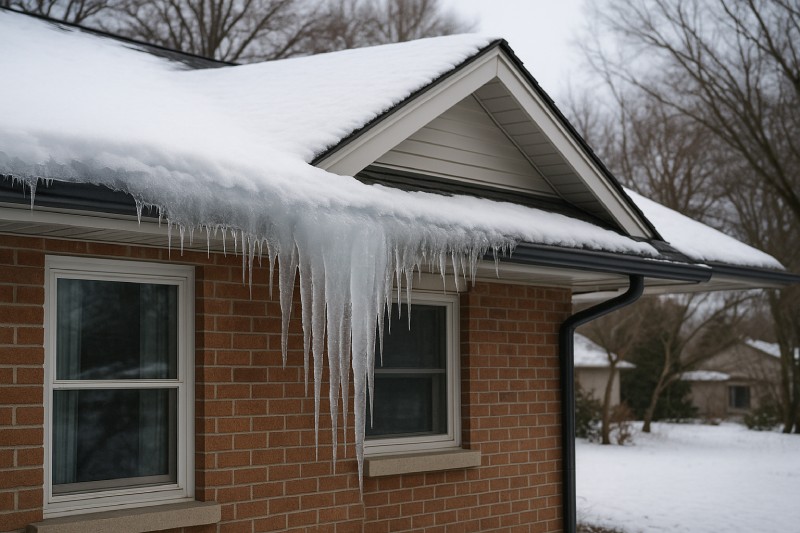
Here in Fresno, ice dams may seem unlikely, but occasional freezing temperatures on shaded roofs or near foothill neighborhoods can set the stage for trouble. Even a thin insulating blanket of snow can trap attic heat, letting meltwater reach eaves and refreeze.
Homes with older attic insulation or air leaks are especially vulnerable. Those hidden heat sources, like uninsulated ducts or light fixtures, can warm the roof deck enough to start the freeze-thaw cycle, then the eaves freeze it again. A small drip can signal a major leak in progress.
Taking local patterns into account, especially in elevated areas or shaded corners, helps spot risk zones before damage starts.
2. Why Heat Cables Work-and Where They Fit in a Plan
Heat cables create melt pathways along gutters and overhangs. They don’t cure root causes like heat escaping from your attic. Think of them as guard rails more than fixes.
If your attic isn’t insulated, or if warm air’s sneaking out under recessed lighting or through soffits, the risk remains. Improving insulation and sealing air leaks comes first. Then heat cables step in to keep melted snow draining instead of refreezing.
The Spruce, a trusted home improvement authority, highlights that insulation and ventilation are the best first defense; heat cables help when those aren’t enough. [The Spruce on preventing ice dams].
3. Pick the Right Cable Type for Fresno’s Conditions
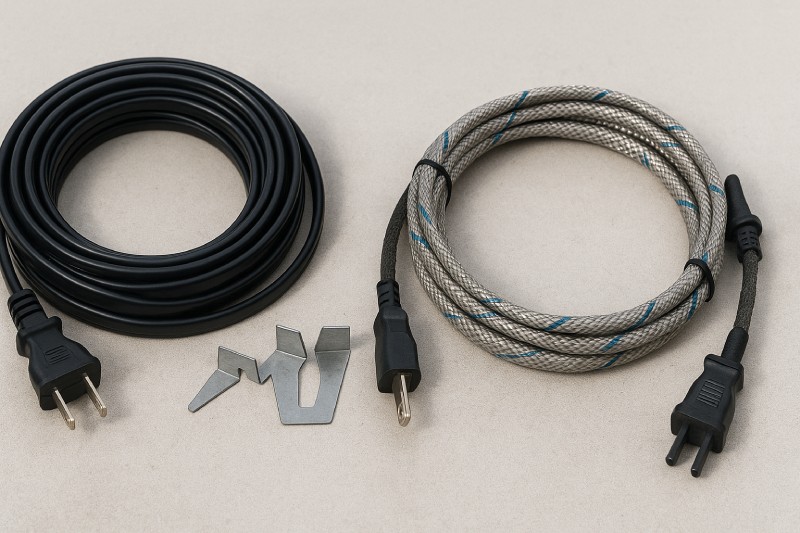
Choosing between constant-wattage cables and self-regulating heating elements makes a real difference. Constant-wattage cables are cheaper, but they draw full power continuously, and your energy bill will notice.
Self-regulating systems adjust heat output as ambient temperatures shift. They cut power when it’s warmer, automatically, last longer, and cost less to run.
The Ice Dam Company recommends higher-quality self-regulating cables with durable construction-16-gauge tinned copper core, UV-resistant jackets, and braided mesh for even heat distribution. [Ice Dam Company insights].
4. Map Your Install: Target Fresno-Specific Risk Zones
Here’s where you place the cables for real results:
- Eaves and overhangs, where meltwater starts to refreeze
- Gutters and downspouts, to keep water flowing
- Valleys and areas around chimneys or skylights, which trap melting snow
- Shaded roof surfaces, say, under big oaks, spots that stay cooler and freeze more easily
Mapping these zones ensures full coverage without excess cable. It also reduces energy waste by focusing on problem areas.
5. Installation Technique: Secure, Safe, Smart
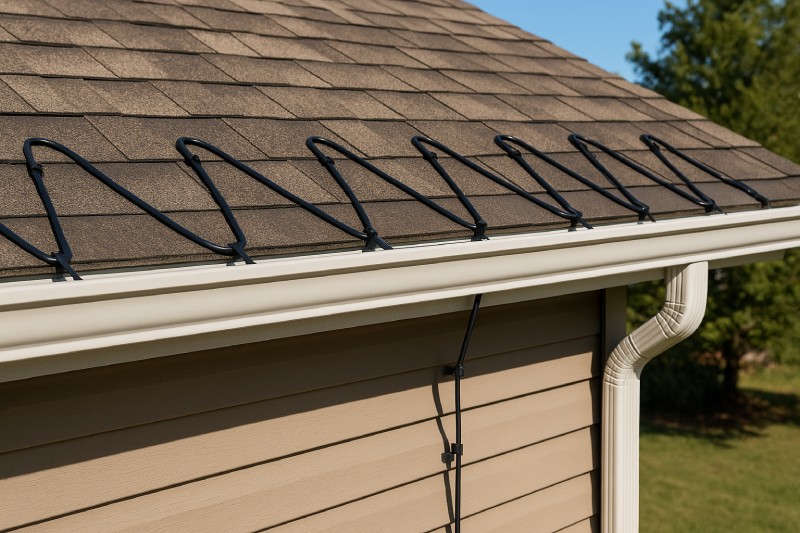
Time for installation steps that deliver-and won’t compromise your roof:
- Clean and dry roof surface-helps clips and cables stay put.
- Attach shingle or roof clips in a zigzag pattern (~15-16 inches wide) from eaves up into heated zones; do not staple or nail through cables. [This Old House installation guide]
- Continue the cable into the gutter, then down into the downspout in a loop to aid drainage.
- Use UV-resistant cable ties as needed. Skip epoxies or harsh adhesives-they can fail in Fresno’s sun or damaging temperature swings. [Ice Dam Company manual]
- Plug into a GFI-protected outlet, ideally on a dedicated circuit with GFCI (15 amp minimum). Safety matters-electricity and meltwater don’t mix.
If you have a metal roof, be sure cables don’t touch the metal directly to avoid shorting; use proper clips or adhesive rated for metal. [Equity Roofs guide].
6. Operate with Fresno Smarts: Timing Counts
Turning heat cables on only when needed saves energy:
- Activate before frost or the first snowfall. Let the system run during the freeze-thaw window; that’s when ice dam risk is highest.
- Turn them off when temperatures stay above about 35 °F. Let the sun do the job.
- Smart controllers (like Thermo-Cube or similar) can sense temperature and moisture and manage run-time automatically.
This approach balances protection and efficiency, minimizing cost while keeping your roof safe.
7. Keep It Working: Routine Maintenance and Inspection
Once installed, annual maintenance keeps cables reliable:
- Clean gutters and downspouts before winter so meltwater drains effectively.
- Inspect cables for fraying or damage, especially from the sun, debris, or foot traffic.
- Periodically test resistance if you have the tools; replace any cable that shows signs of degradation. [Ice Dam Company maintenance guidance]
- Consider adding attic insulation or improving ventilation over time, which reduces demand on the cables and improves energy efficiency and comfort.
| Step | Focus Area | Purpose |
| 1 | Risk Identification | Know your specific vulnerable zones |
| 2 | Cable Selection | Balance cost, performance, and durability |
| 3 | Smart Installation | Secure placement, safety, effective coverage |
| 4 | Smart Operation | Activate only when helpful, cut energy waste |
| 5 | Maintenance | Ensure system longevity and protect the investment
|
Frequently Asked Questions
How do ice dam heat cables stop roof damage?
The cables melt ice at the eaves and in gutters, creating channels for water drainage, preventing the backup under shingles that leads to leaks and roof or gutter damage.
Are self-regulating cables worth the investment?
Yes. They adapt heat output based on temperature, drawing less power when warm. Over winter, that saves on energy bills versus constant-wattage models.
Can installing heat cables void my roof warranty?
If improperly attached, like using staples through the cable or damaging flashing—yes. That’s why Fresno Roof Repair uses authorized clips, avoids adhesives that fail, and ensures installation adheres to local standards.
Do heat cables eliminate the need for attic insulation?
Not at all. They help after other measures fall short. Insulation and attic air sealing tackle the root cause-warm roof surfaces-and give you long-term protection and energy savings.
How ‘smart’ can my heat cable system get?
Very. With a Thermo-Cube temperature-controlled outlet adapter or similar sensor, your cable runs only when temperature and moisture warrant. That’s Fresno-smart energy use.
Conclusion
Every Fresno homeowner faces unique winter challenges.
By combining insulated attics with well-installed electric roof heat cable systems, you’re shielding your roof from ice dam threats, protecting your gutters, and preventing water intrusion.
Fresno Roof Repair, licensed, bonded, and insured, knows local conditions deeply.
If you want expert installation or guidance on insulation and insurance claims, contact us at Fresno Roof Repair.
We’ll keep your roof-and your peace of mind-solid all winter.

Alexander Johnson is an experienced roofing professional with more than 25 years in the industry and serves as CEO of Fresno Roof Repair. His expertise combines traditional craftsmanship with modern technology, with a focus on durable roofing solutions designed for Fresno’s diverse climate.