
A tiny drip on your living room ceiling might seem like a minor inconvenience. But imagine this: that single drop turns into a steady stream the next time Fresno experiences sudden rain.
Before you know it, drywall is saturated, mold takes hold, and the wood deck beneath your flat roof starts to rot. Your stress skyrockets-repair costs pile up, and what was a simple fix becomes a financial headache.
You don’t have to wait until that happens. Acting quickly-pinpointing the leak and applying one of several fast, proven repairs-can save your roof, your walls, and your wallet.
This guide walks you through 7 immediate fixes you can start right now to stop damage before it spreads, protecting your home and restoring your peace of mind.
Catch It Early, Stop It Fast
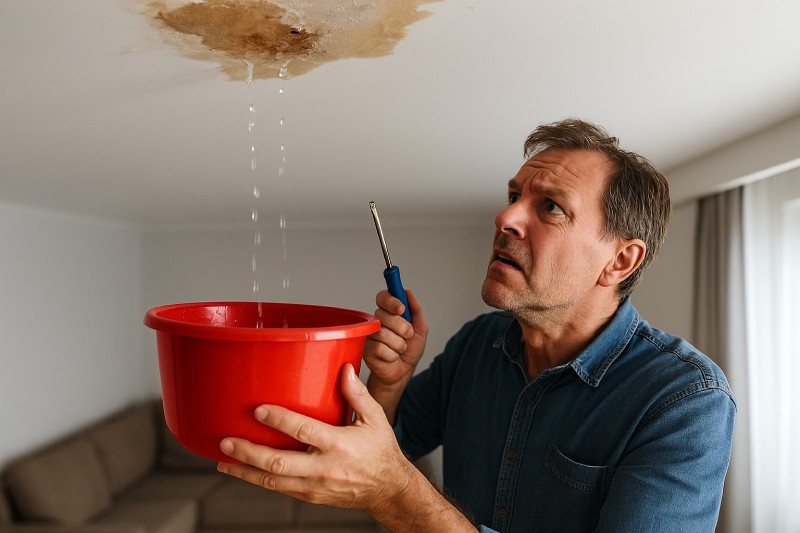
A tiny drip under your living room ceiling may seem harmless, until that drop widens into a waterfall during Fresno’s next storm. You worry about mold, ruined drywall, even deck rot. That’s the stress. The fix? Pinpoint and patch the source within hours. This guide gives seven smart, immediate fixes you can start today to stop damage before it escalates.
Why Ignoring Flat Roof Leaks Is Risky in Fresno
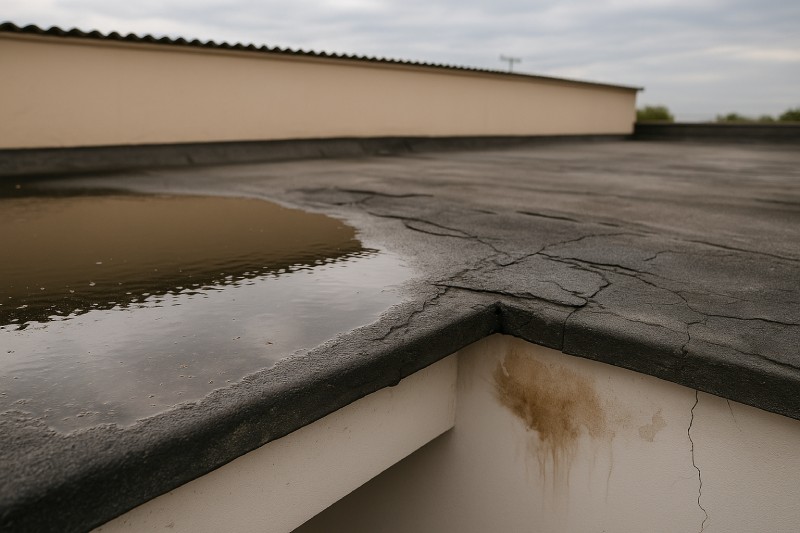
Fresno’s mix of hot summers, sudden downpours, and calm winter nights creates ideal conditions for flat roof issues. Standing water on flat roofs weakens roofing materials, and UV exposure degrades membranes sooner. Delay even a few days, and your leak can eat into plywood decking, insulation, and the structure below, leading to costly repairs.
- Localized weather challenges combined with flat roof design allow leaks to spread under the surface.
- Water stains on ceilings often mean structural damage has begun.
- What starts as a minor drip can become an emergency repair.
Spot the Problem from Below Before You Climb Up
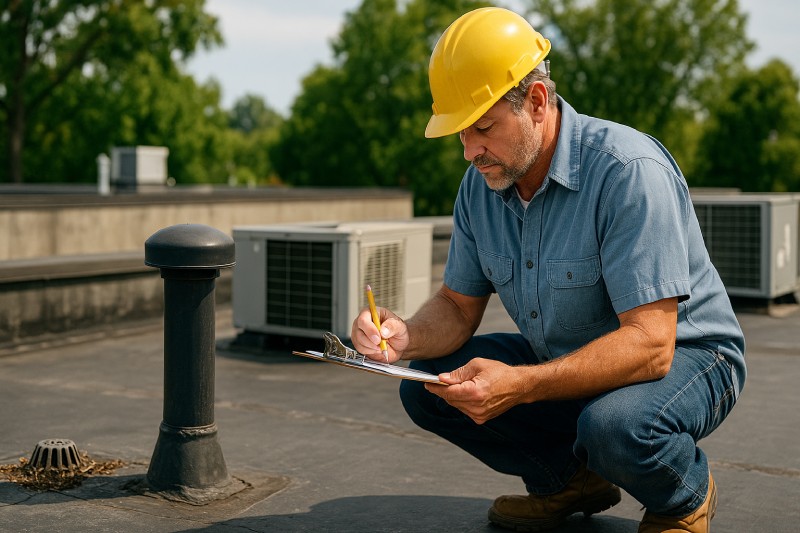
Start indoors: look for water stains, bubbling paint, or warped drywall. These signs help you trace the leak. Check attic insulation-wet spots or mold here are red flags. Then head outside to:
- Examine gutters for backflow or drips.
- Look for ponding water or debris on the roof.
- Note any discoloration or cracks in the roof membrane.
These observations narrow down the repair area, you’ll know where to focus next.
Prepping Your Roof for a Reliable Repair
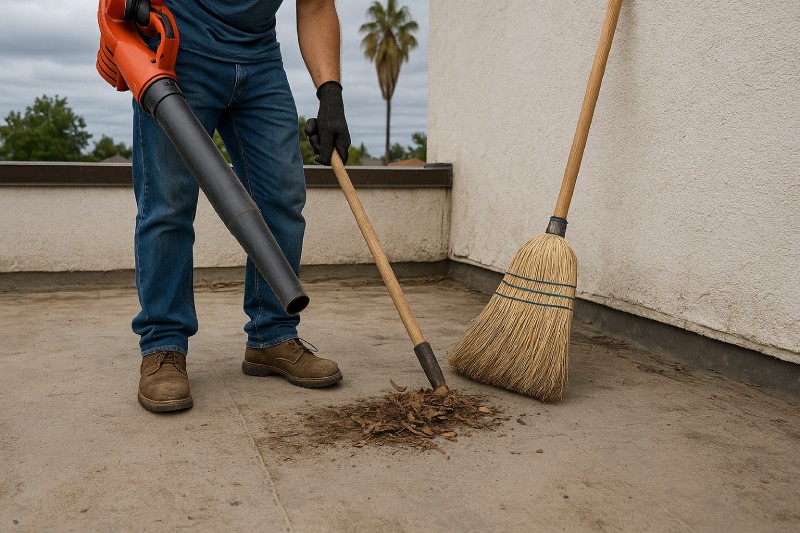
Any repair begins with a clean, dry surface.
- Sweep away debris—in a pinch, use a blower or broom.
- Dry the area thoroughly, even under blisters or around seams.
- Inspect the membrane closely; moisture or dirt under patch materials leads to premature failure.
This prep work sets the stage for solutions that stick—and last.
7 Fast Fixes to Seal the Roof Leak in Fresno
When you’re racing to stop water from damaging your flat roof, these seven repairs are the most effective actions you can take immediately. Each one targets a specific issue and buys you time before calling in professionals.
1. Fill Small Cracks with Roofing Caulk
When to use it: Ideal for minor hairline cracks in the membrane.
A high-quality roofing sealant (choose one rated for flat roofs) can fill tiny fissures instantly. Use a putty knife or caulk tool to smooth it evenly, eliminating air pockets. Let it cure fully—typically 24 hours—before testing with a hose to make sure no water seeps through.
2. Apply Adhesive Repair Tape
Best for: Punctures, seam splits, or small tears.
Cut a piece of repair tape so it overlaps damaged areas by at least 2 inches on all sides.
Clean and dry the surface thoroughly first, then press the tape tightly, working out air bubbles. For added longevity, warm the edges with a heat gun (or a hair dryer) to activate the adhesive.
3. Attach Waterproof Membrane Patches
Use when: The tear is larger than a couple inches or there’s heavy blister damage.
Match the existing roofing-EPDM, TPO, PVC, or modified bitumen,and follow the appropriate bonding method.
Adhered patches need a compatible adhesive; for heat-welded membranes, professional equipment might be required. Cut a patch that’s 4–6 inches larger than the damage, press firmly, and roll to ensure contact and remove wrinkles.
4. Roll On Rubberized Liquid Sealants
Perfect for: Covering multiple seams or irregular damage quickly.
Apply in thin, even coats, two or three layers for optimum protection, using a roller or brush. These sealants cure into a flexible, waterproof membrane. Allow proper drying between coats, and re-check edges for missed spots.
5. Brush-On Silicone or Polyurethane Roof Coating
When you need: Broader repair and energy efficiency.
Silicone and polyurethane coatings bond seamlessly to flat roof membranes, creating a reflective, waterproof finish.
Silicone stands up better to ponding water due to its water-resistant curing process and UV resistance .
Polyurethane offers excellent puncture resistance, ideal if you have rooftop traffic or equipment .
Once fully cured, this coating acts like a fresh roofing membrane across the damaged zone.
6. Replace or Reseal Flashing
Critical near: Vents, pipes, skylights, and roof edges.
Flashing is often the culprit when leaks appear near penetrations. Remove worn or deteriorated metal, clean, then reinstall with new flashing pieces. Seal edges using a high-grade polyurethane sealant (which handles movement better than silicone). This may require roofing screws or fasteners, test for water-tightness afterward.
7. Use Torch-On Felt or Heat-Weld Membranes
For: Significant damage or large-area resurfacing.
This repair method delivers a long-lasting fix by fusing a new membrane patch directly into the existing roof. Torch-on felt includes a multi-layer system—venting base sheet, waterproof underlay, and mineral surface—creating a watertight and durable seal.
It’s typically rated for 15-25 years of service.
Because it uses an open flame, it demands professional installation and adherence to safety standards.
DIY or Call a Pro? Know When to Stop
Some scenarios call for expert help:
- Signs of deck rot, sagging structure, or extensive membrane failure.
- Widespread ponding or multiple leaks across sections.
- Using complex materials like TPO or torch-on felt.
A licensed Fresno roofing contractor brings tools, safety measures, warranties, and handles roof insurance claims too.
DIY Costs vs Hiring a Specialist
Here’s a quick breakdown:
| Repair Type | DIY Materials | Professional Service |
| Caulking, tape | $20-$50 | Included in call-out |
| Epoxy patch, sealant | $50-$150 | $400-$800 |
| Large membrane patch | $150-$400 | $800-$2,500 |
| Coating (silicone/polyurethane) | $200-$600 | $1,000-$3,000 |
While DIY saves upfront, hidden damage or failed patches often lead to even higher costs. Fresno Roof Repair carries insurance and a workmanship roof warranty for peace of mind.
Preventing Future Flat Roof Leaks in Fresno
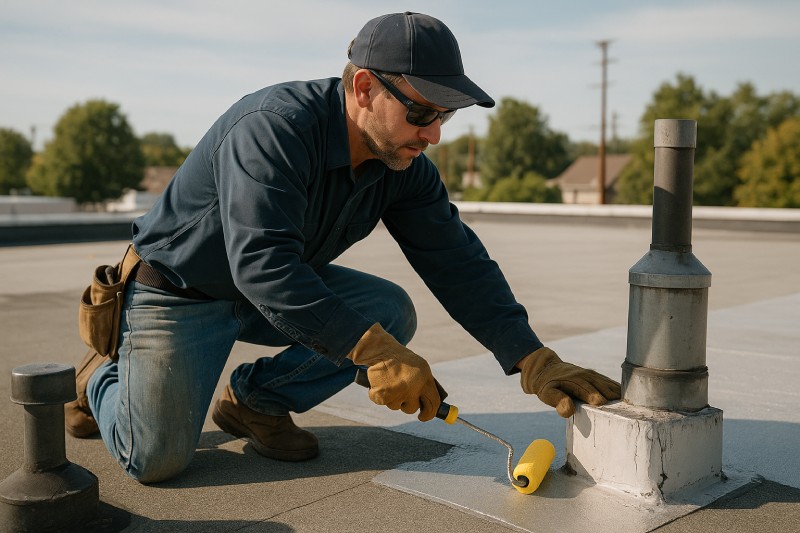
Once patched, guard your roof’s future:
- Schedule inspections twice yearly and after storms.
- Clear debris and flush drains to prevent ponding.
- Re-coat the roof every few years with silicone or reflective materials.
- Replace damaged flashings and seal penetrations proactively.
These steps protect your investment and support a longer lifespan for your roof membrane.
Quick Fresno Flat Roof Maintenance Checklist
- Clear drains and gutters
- Inspect and reseal flashings
- Patch punctures immediately
- Apply full roof coating every 3–5 years
- Monitor for new water stains or blisters
Following this simple checklist keeps your roof watertight all year long.
FAQs
How soon should I patch a flat roof leak in Fresno?
Within 24 hours if possible. The sooner you stop water intrusion, the less chance of hidden water damage to decking or insulation.
Can I use a flat roof repair kit myself?
Absolutely. A high-quality roof repair kit with membrane patch and adhesive is ideal for quick DIY work. Just prepare the area carefully.
Will roof insurance cover flat roof leaks in Fresno?
If the leak stems from storm damage or sudden failure, your policy may help. Document the roof’s condition and repairs-and let Fresno Roof Repair assist with roof insurance claims.
How long do silicone roof coatings last in Fresno?
Silicone or polyurethane coatings often last 10-20 years with proper prep and two coats applied. They protect against UV and ponding, great for flat roofs.
Conclusion
A flat leaky roof in Fresno isn’t a crisis – if you act fast. This guide arms you with seven proven fixes and clear signs for when you need a licensed roofer. Whether you choose DIY or call the Fresno Roof Repair pros, you’ll be taking steps that save money, extend your roof’s life, and restore your peace of mind.
Looking for support? Fresno Roof Repair is fully licensed, bonded, and insured. We offer emergency service, detailed inspections, roof membrane expertise, flat‑to‑pitched conversions, gutter work, tile replacement, drip edge solutions-and we handle those critical roof insurance claims.
Contact us today for a reliable roof leak repair you can trust.

Alexander Johnson is an experienced roofing professional with more than 25 years in the industry and serves as CEO of Fresno Roof Repair. His expertise combines traditional craftsmanship with modern technology, with a focus on durable roofing solutions designed for Fresno’s diverse climate.